Tammy Le
I boarded a flight to Da Nang in the winter of 2024 with a knot in my stomach and a lump in my throat. For most of my life, Vietnam was a place I carried in fragments. My dad’s quiet pauses when certain topics came up. My grandparents’ stories that trailed off mid-sentence. Traditions that were both beautiful and bittersweet. My father left and grandparents left Vietnam during the war and both never went back.
I felt this pull to stand on the same soil, breathe the same air, and face the history that shaped my family. I told myself it was just a personal trip, but deep down I think I knew it was something more.
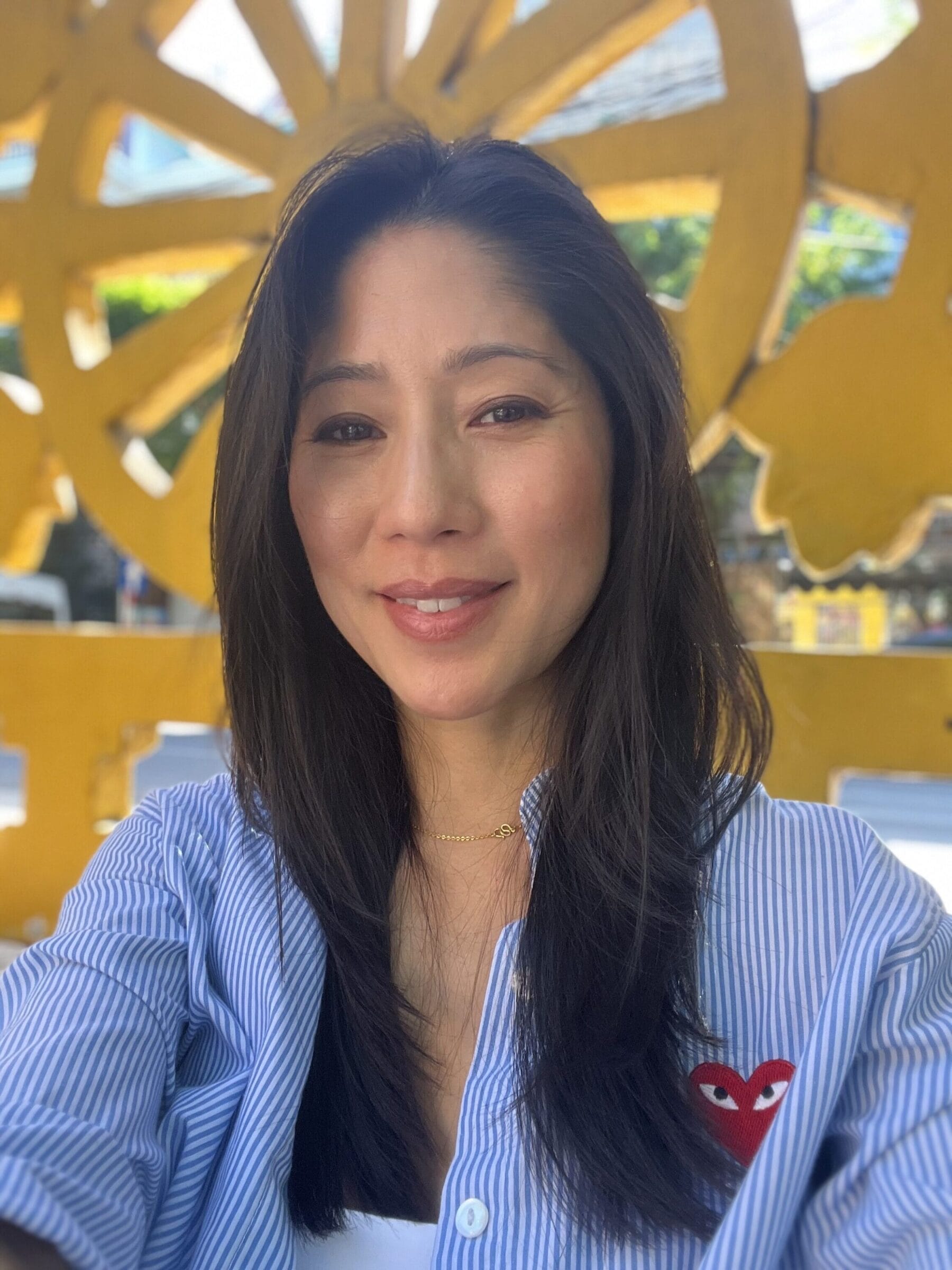
Walking the streets of Da Nang, riding past rice paddies, visiting temples and villages still marked by the war, I saw something I didn’t expect. Yes, there were scars. But there was also an incredible resilience. Laughter in the markets. Children playing on beaches. A grace in the way people moved through their days. It hit me that this was the same strength my family carried into exile. And in seeing it alive here, I started to heal something in myself I didn’t even realize was still broken.
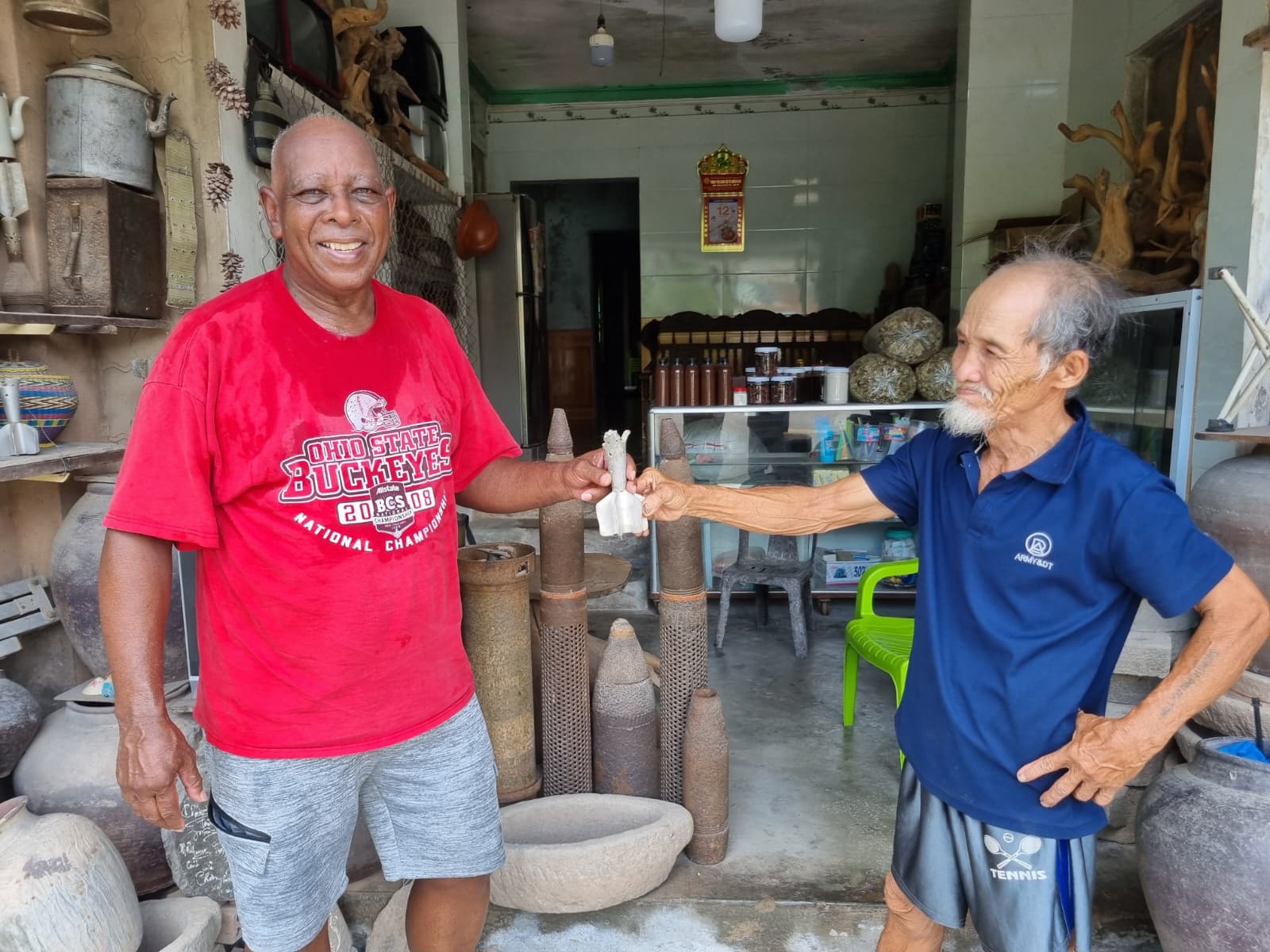
On the way back from a short visit to the U.S., I sat behind a man named Roosevelt Holt. He was in his seventies, African American, a Vietnam veteran headed to see his son in Hoi An. We started talking, and soon he was telling me about his first trip back to Vietnam in 2019, which was exactly 50 years after he had first arrived in 1969 as a soldier in the Central Highlands. That trip, he said, cracked something open in him. Since then, he had come back five times.
“Each trip helped me let go of something I didn’t even know I was still carrying,” he told me. “But I still haven’t fully healed.”He talked about the isolation, the moral injury, the memories that never stopped replaying. And then he said something I’ll never forget. “I felt a sense of unexpected relief just talking about it with someone who really wanted to listen. You have an important mission in life. I don’t think we met on that plane by accident. Divine providence?”
Roosevelt has given me permission to share our conversation and his words because he believes that others might find hope in his experience.
My work at Heroic Hearts Project has always been about connection. I’ve spent years building relationships with veterans, families, partners, and supporters, often in ways that happen quietly in phone calls, over coffee, through trust built one conversation at a time. People may know me as a presence for HHP online, but most of what I do is behind the scenes helping create opportunities, open doors, and bridge the gap between vision and reality.
That conversation with Roosevelt made me see a gap we hadn’t yet filled. We’ve supported so many post-9/11 veterans through psychedelic-assisted healing, but the wounds of war aren’t bound to one generation. Now that we can legally offer psilocybin retreats in the U.S., we’ve started to see Vietnam-era veterans come through our programs. Some have even chosen to share their stories, not because anyone asked them to, but because they want to end the cycle of neglect they’ve endured for most of their lives.
Since that flight, I’ve been holding a vision of creating a psychedelic-assisted healing retreat dedicated specifically to Vietnam veterans. A place where they can be supported by trained therapists, facilitators, and integration coaches. A place to process what has never been spoken and soften what has been hardened for decades.
I think about what it would mean for Roosevelt to be able to stand in any room, whether it is with other veterans, community members, or even policymakers, and say, “This gave me peace.” I imagine the way a moment like that could shift perspectives, not because anyone asked him to do it, but because it is a truth he feels ready to share.
This work is not just about them. It is about their families, their partners, their children. It is about people like me, the grand-daughter of refugees and the daughter of immigrants, who feel the echoes of war in ways we cannot always name. Healing does not just move forward. It ripples backward too.
When we help one generation find peace, we heal something in all of us.
Published on Aug 18 2025
Categories: Staff Stories